
Generative AI in Learning
Generative AI in learning uses AI models to create content, assessments, summaries and personalized guidance for training.
Generative AI in learning applies large language and media models to produce learning assets (course drafts, quizzes, summaries, translations, scripts and images) and to power conversational tutoring and personalized recommendations at scale.
Used well, it dramatically reduces content production time and enables personalization that would be impractical manually, while keeping human review for accuracy and tone.
How Generative AI in Learning works in Violetinfo.ai
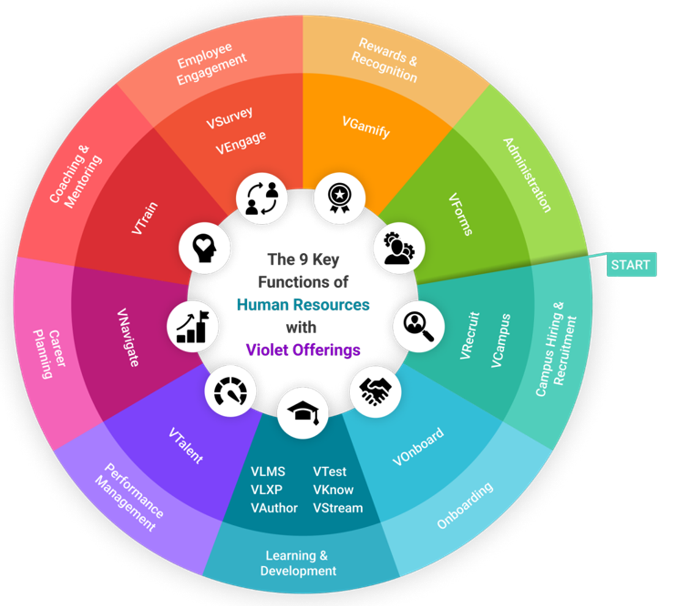
Violetinfo.ai applies generative AI across VAuthor (content), VGen (media) and AI tutoring, so teams create and personalize learning at scale with human oversight.
Practical uses of generative AI across the learning lifecycle
In content creation, generative AI tools can draft course outlines, scripts, scenarios, job aids and assessment questions from source material such as policies, manuals or subject matter expert notes. They can also summarize long documents, convert content into microlearning, generate images or narration and help translate and localize courses for different regions.
On the learner side, large language models can power conversational tutors that answer questions, explain concepts in different ways, generate practice questions and give feedback on written or spoken responses. For L&D teams, AI can help analyze learner feedback and suggest personalized learning paths.
Risks and limitations L&D leaders must manage
Generative models can produce confident but incorrect content, often called hallucinations. In compliance, safety or technical training this is a serious risk, so every AI-generated asset needs review by a qualified person before release. Models can also reflect biases in their training data or produce generic content that ignores company context.
Data protection is another concern. Uploading confidential policies, customer information or employee data to public tools may breach internal rules or regulations. Organizations also need clarity on intellectual property and ownership of generated material.
Building a responsible approach to AI in learning
Start with a clear usage policy that defines approved tools, permitted data and review requirements. Keep a human in the loop for accuracy, tone and inclusivity, and ground AI output in approved company sources rather than open internet content wherever possible. Be transparent with learners when they are interacting with an AI tutor.
Pilot generative AI on well-defined tasks, such as drafting quiz questions or summarizing source documents, and measure the effect on production time and quality before scaling. Train L&D staff in prompt writing and critical review so they can direct the tools effectively.
How generative AI changes the role of L&D
As drafting becomes faster, the value of L&D shifts toward analysis, curation, quality assurance and learning experience design. Teams spend less time producing first drafts and more time deciding what learners need, validating content and measuring impact. Sound instructional design principles matter more, not less.
Skills such as defining clear learning objectives, writing effective prompts, evaluating sources and spotting errors become core parts of the L&D toolkit. Teams that pair generative AI with strong design and review practices can respond to new training needs faster while keeping quality and accuracy under control. Measuring outcomes, not just output volume, keeps the focus on whether learners actually perform better.
Frequently asked questions
How is generative AI used in corporate training?
Generative AI is used to draft course content, create assessments, summarize and translate materials, generate media and power AI tutors that answer learner questions. Human reviewers remain responsible for checking accuracy and fit with company context.
Is AI-generated training content accurate?
AI-generated training content is not reliably accurate on its own and must be reviewed by a subject matter expert before use. Grounding the model in approved company documents and keeping a human review step reduces errors.
Will generative AI replace L&D teams?
No, generative AI changes how L&D teams work rather than replacing them. It speeds up production, while people remain essential for needs analysis, design decisions, quality control and measuring whether learning improves performance.